
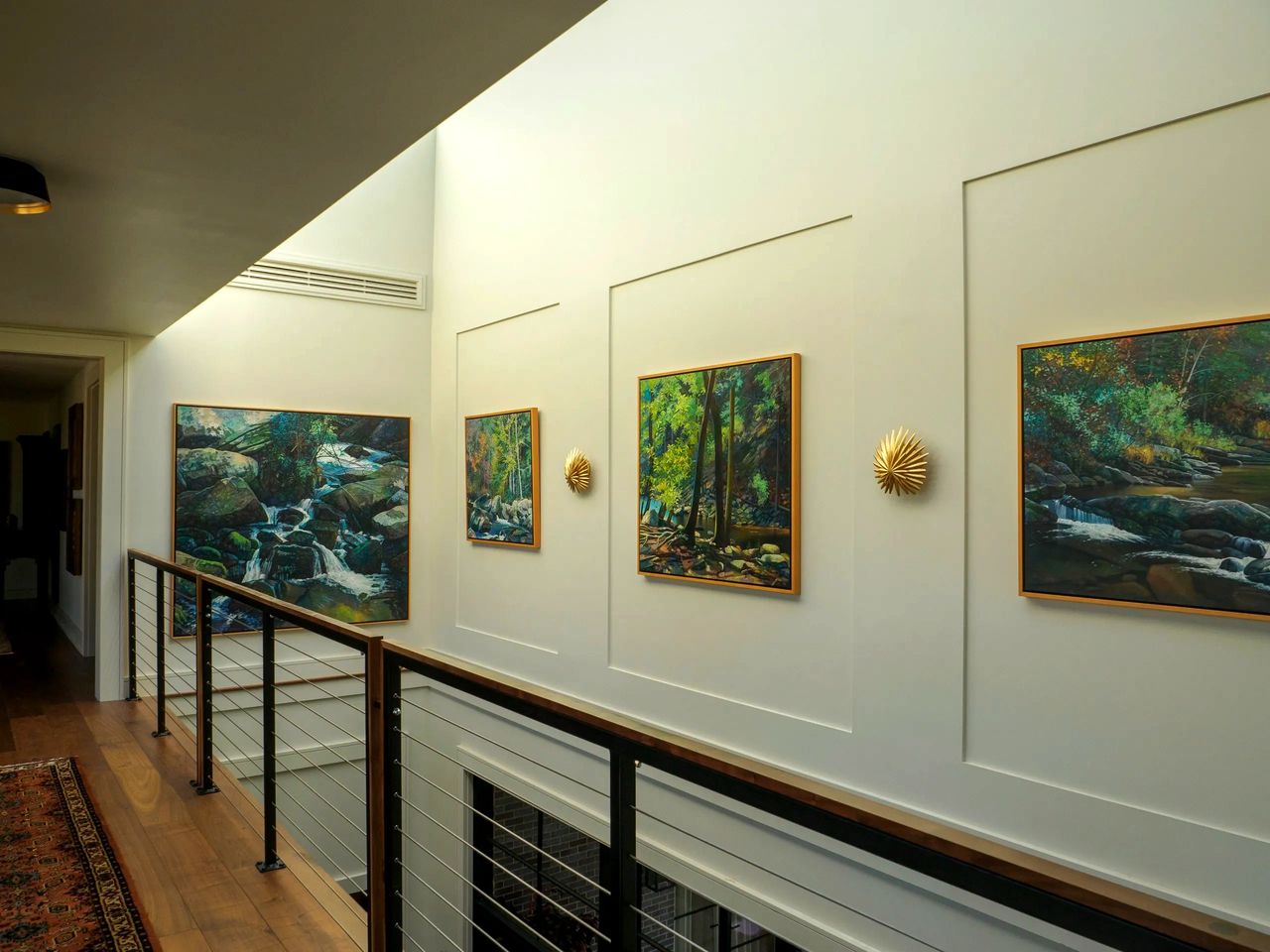
Art is often the heart of a luxury home, and the way it’s illuminated can significantly influence how it’s perceived. At DHS Lighting Design, we understand that lighting artwork goes beyond mere technicalities—it’s about creating an atmosphere where each piece of art can shine in its full glory.
We recently completed a residential project for a client with an extensive collection of Southwestern art. The goal? To highlight key pieces and elevate their presence within the home. Properly lighting art requires a tailored approach, ensuring each artwork is showcased as a true masterpiece.
Understanding the Space: The Foundation of Art Lighting
Before selecting the lighting, it’s essential to assess the space housing the art. Architectural details, room dimensions, and layout can play a crucial role in determining the best lighting approach. For large, open areas, wall washing techniques can beautifully illuminate multiple pieces at once. In more intimate rooms, focused and directed lighting adds a layer of sophistication.
Tailored Viewing Angles: Enhancing the Art Experience
In residential settings, lighting is not just about making art visible—it’s about creating an experience. The placement of art, whether at eye level, overhead, or lower on the wall, determines the lighting strategy. Lighting tailored to viewing angles ensures that the artwork can be appreciated fully, from every perspective, enhancing the luxury of the space.
Sculpture vs. Painting: Different Art, Different Needs
Each artwork type demands a different lighting technique. Sculptures, with their three-dimensional forms, thrive under multidirectional lighting that highlights texture and depth. Paintings often require uniform and diffused light to accentuate brushstrokes and color without causing glare or distortion. Understanding these nuances allows us to create bespoke lighting designs that elevate the art’s presence within the home.
Color Temperature: The Key to True Color Perception
Color temperature is paramount when lighting art. Cooler color temperatures can enhance the vibrancy of the art pieces, while warmer temperatures create a welcoming ambiance for the art. Experimenting with different color temperatures can ensure that each piece is presented in its best light.
Glare and Reflection: Minimizing Distractions
Nothing detracts from art more than glare or reflections. To mitigate these issues, we recommend using anti-glare coatings, strategically positioned lighting to avoid reflections, and use accessories like baffles or snoots to direct the light. In a luxury home, where elegance and precision are critical, reducing glare ensures that the focus remains on the artwork itself.
Lighting Controls: Customizing the Viewing Experience
The ability to adjust lighting intensity is essential. Dimmers allow homeowners to change the mood of a room, making subtle adjustments that can dramatically alter how art is perceived. A sophisticated lighting control system offers flexibility, allowing for different scenes depending on the time of day, event, or mood.
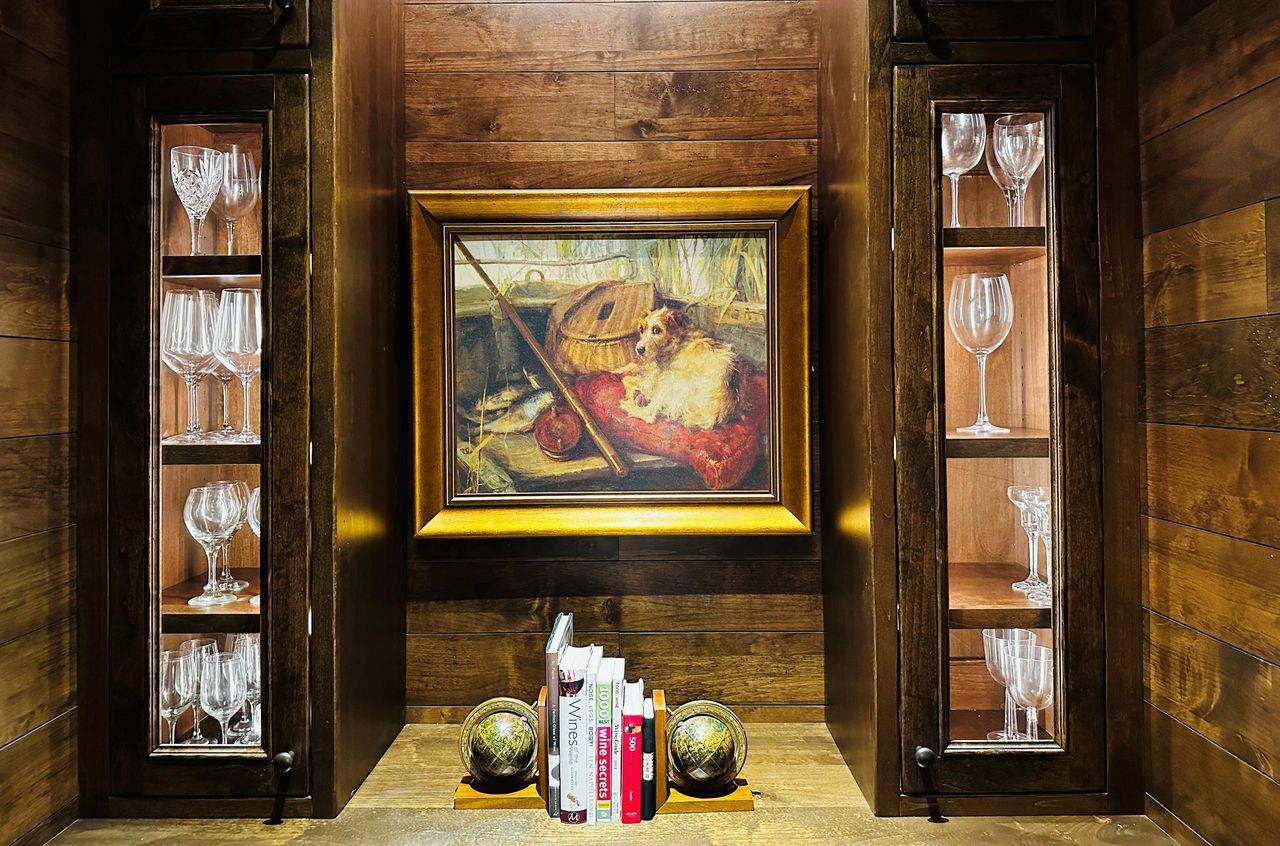
The image of the artwork in the photo is an illustration where concealed lighting in the millwork and well-placed foreground objects helps frame the artwork, creating a unique visual for the client.
Conclusion: Creating a Masterpiece with Light
Illuminating luxury art collections is an art in itself. By carefully considering the space, viewing angles, the nature of the artwork, color temperatures, and glare reduction techniques, you can create an environment where each piece of art can truly shine. At DHS Lighting Design, we specialize in crafting bespoke lighting experiences that transform art into the focal point of any luxury home.
About DHS Lighting Design: We are an architectural lighting design firm with over 25 years in the commercial and high-end residential space. We use the transformative power of light to influence the function, mood, and productivity of interior and exterior spaces. Please contact us at 615.596.3001 or shine@dhslightingdesign.com.