
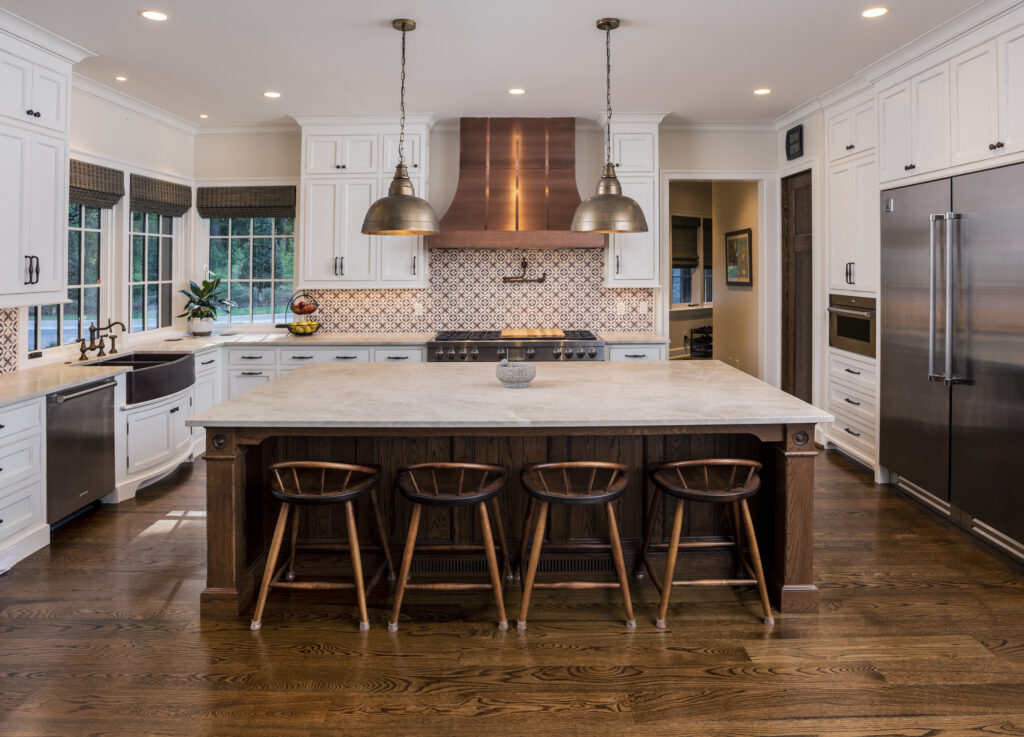
In residential design, downlights are often treated as simple, functional fixtures—little circles in the ceiling that “give light.” But in reality, a downlight is one of the most powerful tools a designer works with. The right one can elevate a room instantly. The wrong one can flatten it, wash it out, neglect illumination in areas that need it, or leave it feeling dull and uninviting.
At DHS Lighting Design, we approach downlights the way a chef approaches ingredients: carefully, intentionally, and always with the full experience in mind. Not all downlights are created equal—and understanding the difference is what separates a basic lighting layout from a beautifully illuminated home.
Aperture Size Matters More Than You Think
Downlight aperture sizes are trending smaller in luxury homes. Advancement in LED technology and the increase in lumen per watt (LPW) ratings have made this possible. However, having the capability to push 2000 lumens through a 2” hole doesn’t always mean you should. Even though those 2” downlights look sleek, they don’t always distribute light as evenly or as comfortably as a larger aperture. Sometimes a slightly larger aperture provides better balance of light output, glare control, and visual comfort. It’s all about selecting the fixture that is based on the specific application and supports the architecture rather than competing with it.
The Magic Is in the Optics
A downlight’s performance comes down to its optics—beam spread, cut-off angle, color quality and how the light is shaped. A downlight with poor optics can create harsh shadows or glare. A high-quality fixture with precise optics can highlight textures, soften transitions, and make the entire space feel elevated. Whether we’re illuminating artwork, or creating soft ambient light, the optics guide the mood.
Color Temperature and CRI: The Foundation of Good Light
Kelvin temperature determines the warmth or coolness of a space, while CRI influences how accurately colors appear. In luxury residential design, these two factors are critical. The wrong color temperature can completely change the look of finishes. Low CRI can make rich materials appear flat or muddy. We select fixtures that bring out the best in every surface and make the home feel inviting at all hours.
Tailoring the Fixture to the Architecture
A downlight should never be placed randomly. We consider ceiling height, room proportions, key focal points, and how residents live in the space. In tall ceilings, we may adjust beam angles or incorporate adjustable downlights to prevent scalloping. In rooms with layered lighting, downlights become just one part of the overall composition—not the entire story.
Downlights Are a Tool, Not the Whole Design
In a luxury home, a downlight should blend effortlessly into a larger lighting strategy. Ambient, accent, task, decorative, and natural light all work together to shape how a space feels. Downlights become the quiet heroes—supporting the architecture without drawing attention to themselves.
The result?
Light that feels natural.
Rooms that feel balanced.
Spaces that feel comfortable and alive.
If you’re designing or renovating a home and need help selecting the right lighting for your project, our team would love to help you get it right from the start.
See more of our residential work here.